
We’ve all been there – frantically searching through couch cushions, retracing our steps through parking lots, or turning our entire house upside down looking for keys, wallets, or that one important item that seems to vanish into thin air. The universal frustration of lost items has plagued humanity since we first had possessions worth misplacing.
But here’s the modern dilemma: with the explosion of Bluetooth tracker comparison 2025 options flooding the market, how do you choose the right GPS tracker for keys 2025 that actually fits your lifestyle? The overwhelming array of choices – from Apple’s dominant AirTag to Samsung’s SmartTag ecosystem, Tile’s cross-platform veteran status, and emerging contenders – can leave you more confused than when you started.
This comprehensive AirTag vs Competitors 2025 analysis promises to cut through the noise with an unbiased, forward-looking perspective that considers the latest technological advances and evolving market dynamics. We’ll examine key players including AirTag, SmartTag, Tile, and emerging alternatives to help you make an informed decision that you’ll still be happy with years from now.
Why does 2025 matter specifically? This year represents a critical inflection point in tracker technology, with anticipated breakthroughs in ultra-wideband adoption, network expansion, enhanced privacy measures, and potential market consolidation that will reshape how we think about finding our lost items.
Apple AirTag: The Unrivaled Find My Network (Still in 2025?)
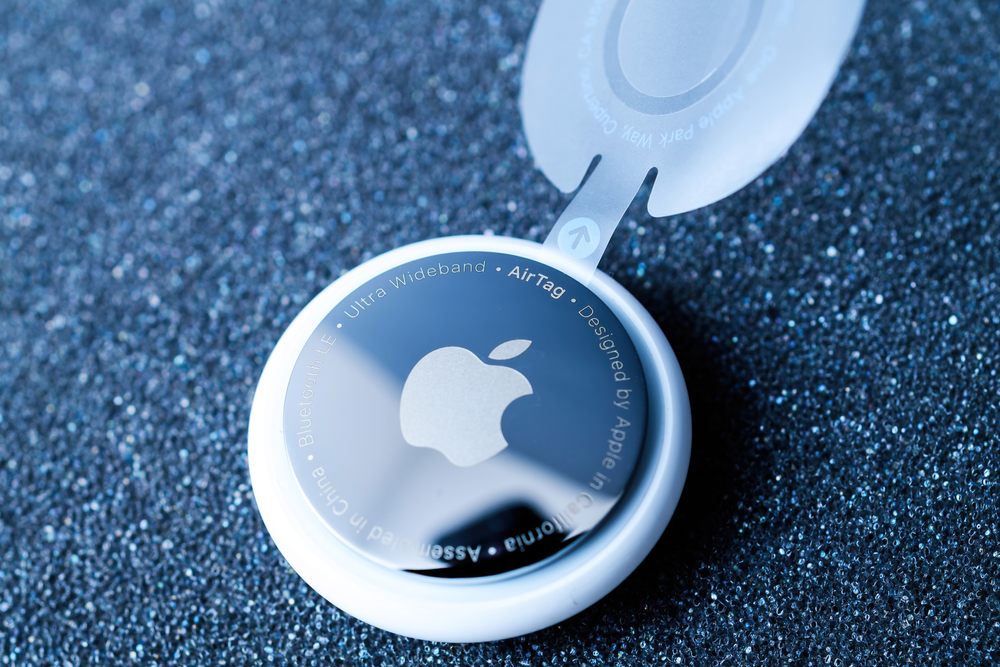
Apple’s AirTag remains the gold standard for iOS users,
Samsung SmartTag2: Android’s Growing SmartThings Powerhouse
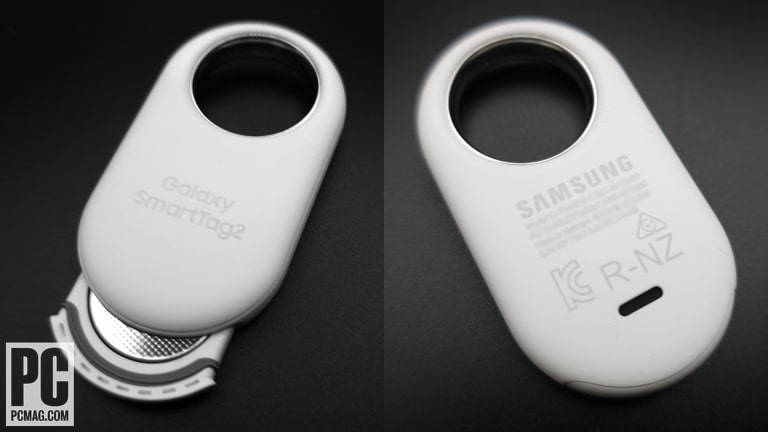
Samsung’s SmartTag2 represents the strongest challenge . . . . . . . .
Tile (Pro, Mate, Slim, Sticker): The Cross-Platform Veteran’s 2025 Game Plan
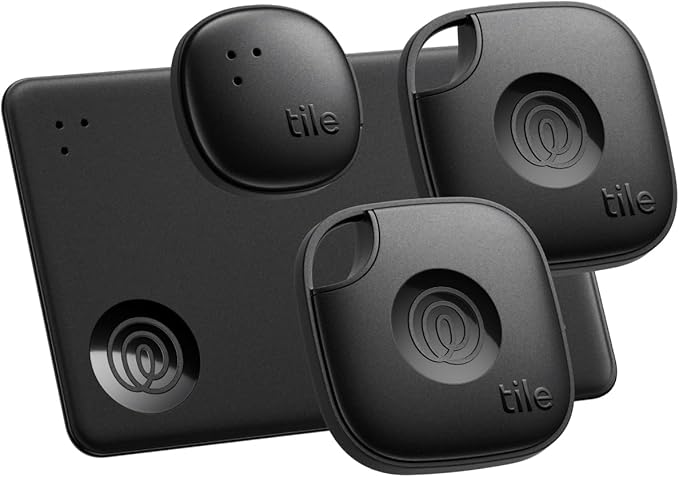
Tile pioneered the consumer item tracking market and . .
Why 2025 is Different: Evolving Tracker Technology & Market Landscape
The item tracking landscape in 2025 isn’t just an incremental improvement over previous years – it’s experiencing fundamental technological shifts that are redefining what’s possible.
Anticipated Technological Advancements
Ultra-Wideband (UWB) technology is moving from premium feature to mainstream standard. Where UWB was once limited to high-end devices, 2025 sees broader adoption across mid-range smartphones and tablets, delivering unprecedented precision finding capabilities. This technology enables augmented reality finding experiences, allowing you to virtually “see” your lost item’s location through your phone’s camera with room-scale accuracy.
Bluetooth 5.x evolution continues enhancing the foundation for Bluetooth-only trackers. The latest iterations offer significantly improved range – often doubling the effective distance – while simultaneously reducing power consumption. This means longer battery life and more reliable connections, even in challenging environments with interference.
Network expansion represents perhaps the most significant development. Apple’s Find My network continues its exponential growth, now encompassing over a billion active devices worldwide. Samsung’s SmartThings Find network is rapidly expanding beyond Galaxy devices, while industry speculation suggests Google may finally commit to a comprehensive Android Find My Device network that could rival Apple’s coverage.
Battery innovations focus on efficiency and sustainability. Advanced power management algorithms are extending battery life well beyond the traditional one-year mark for replaceable batteries. Some manufacturers are exploring energy harvesting technologies and more environmentally friendly battery compositions to address growing consumer consciousness about electronic waste.
Enhanced privacy and security features respond to legitimate concerns about tracking technology misuse. Stricter anti-stalking measures, improved data encryption, and more transparent privacy policies are becoming standard rather than afterthoughts. These improvements balance legitimate finding needs with individual privacy rights.
Market Shifts
The tracker industry is experiencing consolidation pressures, with strategic partnerships reshaping competitive dynamics. Tile’s integration with various ecosystems, potential Google collaborations, and emerging alliances between hardware manufacturers and software platforms suggest a more interconnected future.
Sustainability focus is driving innovation in recyclable materials and modular designs. Consumers increasingly demand products that minimize environmental impact, pushing manufacturers toward more responsible design choices and take-back programs for end-of-life devices.
Specialized applications are creating niche markets for specific use cases. Enhanced pet tracking capabilities, ruggedized options for outdoor enthusiasts, and ultra-thin designs for wallets represent growing market segments with unique requirements.
The Top Contenders: An In-Depth 2025 Analysis

Apple AirTag: The Unrivaled Find My Network (Still in 2025?)

Michael Anderson
Chief Investment Officer
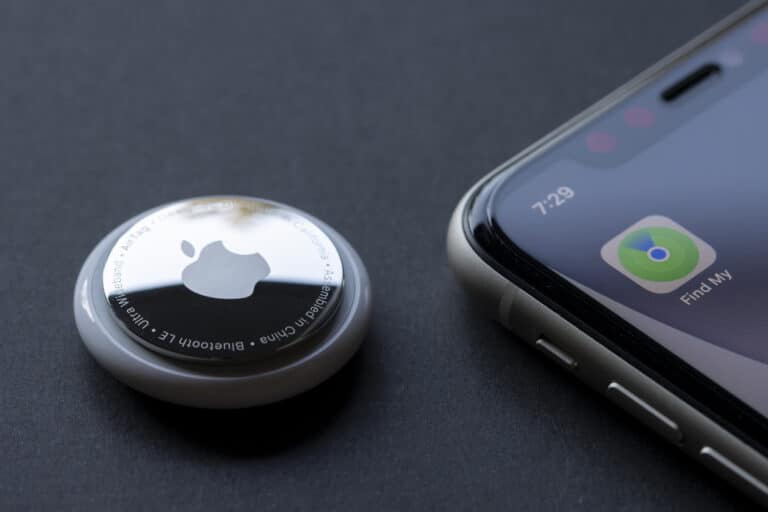
Apple’s AirTag remains the gold standard for iOS users, leveraging the massive Find My network that’s unmatched in scope and reliability. The precision finding capability using Ultra-Wideband technology transforms the finding experience from guesswork into guided navigation, literally pointing you toward your lost item with room-scale accuracy.
Key Features and Strengths
The Find My network’s billion-plus active devices create an unparalleled safety net for lost items. Even in remote locations, the probability of another Apple device passing nearby and updating your item’s location remains remarkably high. The precision finding feature, available on iPhone 11 and newer models, provides an almost magical experience of following directional arrows and distance measurements to locate items within inches.
Privacy implementation sets industry standards with end-to-end encryption, rotating identifiers, and comprehensive anti-stalking measures. The system alerts both iPhone and Android users if an unknown AirTag appears to be traveling with them, addressing legitimate privacy concerns while maintaining functionality.
Limitations and Considerations
Apple ecosystem lock-in remains the primary limitation – AirTags are essentially useless for Android-primary households. The lack of built-in attachment point requires additional accessories, adding cost and bulk. The CR2032 battery, while lasting approximately one year, raises environmental concerns for frequent travelers who may need more frequent replacements.
2025 Outlook
Industry speculation suggests potential AirTag 2.0 development with improved battery life, possible USB-C charging capability, and enhanced precision finding accuracy. Software updates may introduce new finding modes and enhanced integration with smart home devices. However, the current generation remains highly capable and well-supported.
Best For: iPhone, iPad, and Mac users who prioritize the largest possible finding network and cutting-edge precision technology.
Samsung SmartTag2: Android’s Growing SmartThings Powerhouse
Michael Anderson
Chief Investment Officer
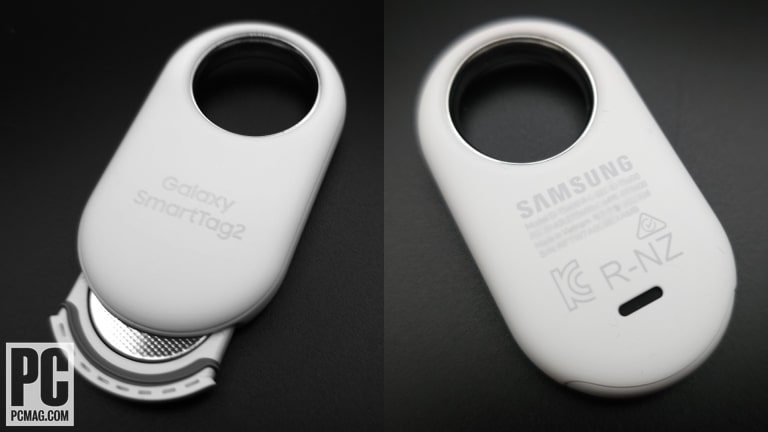
Samsung’s SmartTag2 represents the strongest challenge to AirTag dominance, particularly for users invested in Samsung’s ecosystem. The integration with SmartThings smart home platform creates unique advantages beyond simple item finding.
Key Features and Competitive Advantages
The SmartThings Find network, while smaller than Apple’s, offers excellent coverage in urban areas and continues growing rapidly. The two-way finding feature allows your SmartTag to ring your phone – invaluable when you’ve misplaced your device instead of your keys. Ultra-Wideband support on SmartTag2 delivers precision finding comparable to AirTag for compatible Samsung Galaxy devices.
Battery life exceeds most competitors, with Samsung claiming up to 500 days of typical use. The integration with SmartThings ecosystem enables advanced automation scenarios, such as automatically arming your security system when your keys leave home.
Limitations
Network coverage remains primarily concentrated around Samsung Galaxy device users, potentially limiting effectiveness in areas with diverse smartphone adoption. UWB precision finding requires newer Samsung phones, excluding older devices and other Android brands from accessing the full feature set.
2025 Outlook
Samsung continues expanding SmartThings Find partnerships and may introduce new SmartTag variants for specific use cases. The potential for broader Android ecosystem integration or competition with Google’s rumored network expansion creates interesting strategic questions.
Best For: Samsung Galaxy users and SmartThings smart home enthusiasts who value two-way finding and extended battery life.
Tile (Pro, Mate, Slim, Sticker): The Cross-Platform Veteran’s 2025 Game Plan
Michael Anderson
Chief Investment Officer
Tile pioneered the consumer item tracking market and maintains relevance through cross-platform compatibility and diverse form factors. Their community-based approach offers unique advantages despite facing significant competition from tech giants.
Enduring Strengths
Cross-platform compatibility remains Tile’s biggest advantage – the same tracker works equally well with iOS and Android devices. The variety of form factors (keychain, wallet card, adhesive sticker) addresses diverse use cases better than one-size-fits-all competitors. The loud speaker provides excellent audible finding capability, often louder than competitors.
The community-based finding network, while smaller than Apple or Samsung’s, benefits from dedicated users who actively participate in helping others find lost items. Price points generally undercut premium competitors while delivering solid functionality.
Persistent Challenges
Network size limitations become apparent in less populated areas where fewer Tile app users mean reduced finding effectiveness. The subscription model for advanced features (smart alerts, location history) adds ongoing costs that competitors include free. Current models lack UWB technology, limiting precision finding capabilities.
2025 Outlook
Tile faces pressure to innovate rapidly, potentially introducing UWB-enabled models and expanding network partnerships. Integration with major platforms (Google Assistant, Amazon Alexa) helps maintain relevance, but strategic positioning against tech giants requires continuous evolution.
Best For: Users with mixed device ecosystems, budget-conscious buyers, and those valuing form factor variety over cutting-edge technology.
Emerging Alternatives & The Future of Android Tracking
The tracker market continues evolving with innovative alternatives addressing specific needs and market gaps. Chipolo’s strong integration with Apple’s Find My network offers AirTag alternatives with different design philosophies. Eufy SmartTrack delivers solid functionality at competitive prices while maintaining Find My compatibility.
The Google Question
Perhaps the most significant 2025 speculation centers on Google’s potential commitment to a comprehensive Android Find My Device network. Such a system could leverage the massive install base of Android devices globally, potentially creating a network rivaling Apple’s in size and effectiveness. The implications for existing players like Tile and Samsung would be substantial, potentially reshaping competitive dynamics entirely.
Key Factors to Consider When Choosing Your 2025 Tracker
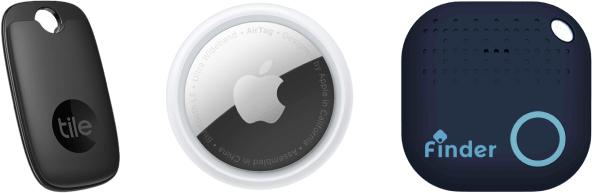
Ecosystem Compatibility: The Deciding Factor
Your smartphone choice fundamentally determines which trackers will work optimally. Apple device users benefit most from AirTag or Find My-compatible alternatives, while Samsung Galaxy users should seriously consider SmartTag2. Cross-platform households need Tile or similar solutions, though this may compromise some advanced features.
Network Size & Coverage
Urban users generally have excellent coverage from any major network, but rural and remote area effectiveness varies dramatically. Apple’s Find My network offers the broadest coverage globally, while Samsung’s SmartThings Find excels in areas with high Galaxy device adoption. Consider your travel patterns and typical item loss locations when evaluating network coverage.
Precision Finding Technology
Ultra-Wideband transforms the finding experience from general location awareness to precise navigation. If you frequently lose items in cluttered environments or large spaces, UWB capability justifies premium pricing. However, traditional Bluetooth proximity finding remains adequate for most users and use cases.
Battery Life & Environmental Impact
Replaceable CR2032 batteries offer predictability and user control but create ongoing environmental impact. Consider your usage patterns – frequent travelers may prefer longer battery life, while occasional users might prioritize cost. Some newer models explore rechargeable options or energy-efficient designs extending battery life significantly.
Privacy & Security in 2025
Privacy considerations have become paramount in tracker selection. Look for comprehensive anti-stalking measures, transparent privacy policies, and end-to-end encryption. The best systems protect both tracker owners and potential unwitting carriers while maintaining finding effectiveness.
Design & Durability
Form factor matching your specific needs prevents frustration and ensures consistent use. Keychain attachments, wallet cards, and adhesive options serve different purposes. Water resistance (IP67 rating) and general durability matter for active lifestyles and harsh environments.
Future-Proofing Considerations
Choose trackers from companies with long-term ecosystem commitment and regular software updates. Consider whether the underlying network will remain viable and growing over your expected usage period. Avoid orphaned platforms or companies with uncertain futures.
Comparative Table: AirTag vs. Top Competitors (2025 Snapshot)
| Feature / Tracker | Apple AirTag | Samsung SmartTag2 | Tile Pro | Chipolo ONE Spot |
|---|---|---|---|---|
| Compatible OS | iOS (iPhone, iPad, Mac) | Android (Samsung Galaxy best) | iOS, Android | iOS (iPhone, iPad, Mac) |
| Network Size | Massive (1+ billion devices) | Large (100+ million Galaxy devices) | Community-based (app users) | Massive (Apple Find My network) |
| Precision Finding | UWB (iPhone 11+) | UWB (SmartTag2 + select Galaxy) | Bluetooth only | Bluetooth only |
| Battery Type | Replaceable CR2032 (~1 year) | Replaceable CR2032 (~500 days) | Replaceable CR2032 (~1 year) | Replaceable CR2032 (~1 year) |
| Water Resistance | IP67 | IP67 | IP67 | IPX5 |
| Anti-Stalking | Robust, cross-platform alerts | SmartThings Find alerts | Community-based alerts | Apple’s built-in alerts |
| Two-Way Finding | No | Yes (ring phone) | Yes (ring phone) | No |
| Smart Home Integration | Find My app only | Yes (SmartThings) | Yes (Alexa, Google Assistant) | Find My app only |
| Expected Price (2025) | $29 USD | $30 USD | $60 USD | $28 USD |
Real-World Scenarios: Which Tracker Is Right for You?

Scenario 1: The Apple Ecosystem Loyalist You live and breathe Apple – iPhone, iPad, Mac, Apple Watch, and even Apple TV. Your keys, wallet, and backpack all need tracking, and you value seamless integration above all else. Choice: AirTag offers unmatched precision finding, the largest network, and perfect ecosystem integration.
Scenario 2: The Samsung Galaxy Power User Your Galaxy smartphone anchors a SmartThings smart home with automated routines and connected devices. You appreciate the two-way finding capability and extended battery life. Choice: SmartTag2 leverages your existing ecosystem investment and offers unique smart home integration possibilities.
Scenario 3: The Cross-Platform Household Family members use both iPhones and Android devices, requiring flexibility and universal compatibility. You need trackers that work equally well regardless of which phone family members are carrying. Choice: Tile Pro provides the broadest compatibility, though you’ll sacrifice some advanced features available in platform-specific solutions.
Scenario 4: The Budget-Conscious Buyer You want reliable tracking functionality without premium pricing or ongoing subscription fees. Basic finding capability matters more than cutting-edge features. Choice: Chipolo ONE Spot offers Apple Find My network access at a lower price point, or Tile Mate for cross-platform needs.
Scenario 5: Travel & Luggage Tracking Frequent travelers need reliable tracking through airports, hotels, and rental cars globally. Network coverage and battery life become critical factors. Choice: AirTag for iPhone users due to global Find My network density, or SmartTag2 for Galaxy users with extended battery life.
Scenario 6: Pet Tracking Considerations While not designed specifically for pets, trackers can provide backup location awareness for cats and dogs. However, important limitations apply: battery life concerns, lack of real-time GPS, and dependence on nearby devices for location updates. Pet-specific GPS collars remain more appropriate for active monitoring, while trackers serve as supplemental backup systems.
The Future of Item Tracking: Beyond 2025
The trajectory of item tracking technology points toward ubiquitous, seamless integration into daily life. Google’s potential commitment to a comprehensive Android network could fundamentally alter competitive dynamics, potentially creating true interoperability standards that benefit consumers regardless of device choice.
Miniaturization and integration trends suggest trackers will increasingly disappear into everyday objects. Imagine wallets with built-in tracking, car keys with integrated finding capability, or clothing with woven tracking elements. This evolution reduces the attachment and bulk concerns that currently limit adoption.
Enhanced privacy and regulatory landscapes will continue shaping product development. Stricter global regulations around location tracking, data retention, and consent mechanisms will become standard rather than differentiators. Successful products will balance comprehensive finding capability with robust privacy protection.
Energy harvesting technologies promise truly “set-and-forget” trackers that never require battery replacement. Solar charging, kinetic energy capture, or wireless power transfer could eliminate the ongoing maintenance that currently limits some use cases.
Augmented reality finding represents the next frontier in user experience. Imagine holding up your phone and seeing virtual arrows pointing directly to your lost keys, overlaid on your real environment. This technology will make finding lost items as intuitive as following GPS navigation.
Conclusion: Your 2025 Tracker Decision Made Easy
The perfect tracker doesn’t exist – but the right tracker for your specific needs, ecosystem, and priorities absolutely does. AirTag vs Competitors 2025 ultimately comes down to honest assessment of your technology ecosystem, usage patterns, and feature priorities.
iPhone users should seriously consider AirTag for its unmatched network coverage and precision finding capabilities. Samsung Galaxy enthusiasts will find SmartTag2 offers compelling ecosystem integration and extended battery life. Cross-platform households and budget-conscious buyers should explore Tile’s diverse offerings or Apple Find My compatible alternatives like Chipolo.
The key insight for 2025 is that all major options now deliver reliable basic functionality – the differences lie in ecosystem integration, advanced features, and long-term platform viability. Choose based on your primary smartphone platform, consider your typical item loss scenarios, and prioritize features that match your actual usage patterns rather than theoretical capabilities.
Don’t overthink the decision – any major tracker represents a massive improvement over hoping your lost items magically reappear. The best tracker is the one you’ll actually use consistently, attached to the items you can’t afford to lose.